

A community gathered around the dharma — meditation, study, and the daily cultivation of compassion in the lineage of the Buddha.
The Black Tara Maitreya Sangha is an open community of practitioners studying the teachings of the Buddha under the guidance of Drupon Chongwol Na Tso Dorje.
We meet in Harlem to practice meditation, recite the liturgies of the lineage, and learn the foundations of the Tibetan Buddhist path. New friends are always welcome — no experience is required, only an interest in the work of waking up.
Our practice is part of Lama Glenn Mullin's Maitreya Sangha, with guidance from our practice leader, Drupon Chongwol Na Tso Dorje.


Lama Glenn Mullin is a Buddhist teacher, translator, author, and meditation master whose life's work has been dedicated to preserving and transmitting the wisdom and tantric practice traditions of Tibetan Buddhism.
He teaches within the Tibetan Buddhist Vajrayana stream, with a primary grounding in the Geluk lineage of Lama Tsongkhapa and the Dalai Lamas. Lama Glenn lived for many years in the Indian Himalayas, where he studied Tibetan Buddhist philosophy, meditation, tantric yoga, and the enlightenment culture with many of the great masters of the twentieth century.
His principal tantric gurus included Kyabje Ling Rinpoche and Kyabje Trijang Rinpoche, the senior and junior tutors of His Holiness the Fourteenth Dalai Lama.
His teaching and writing have focused especially on the lives and works of the Dalai Lamas, Lam Rim, Lojong, the Six Yogas of Naropa, Kālacakra, deity yoga, guru yoga, and the wisdom traditions of Tibetan Buddhism.
Black Tara is the wrathful, liberating emanation of Arya Tara, renowned in the Tibetan Vajrayana tradition as the swiftest remover of obstacles.
Where the Green and White Taras soothe and protect, Black Tara cuts — clearing inner and outer hindrances, dispelling fear, and severing the unseen forces that block the path to awakening. Practitioners turn to her when an obstacle is stubborn, deep-rooted, or otherwise immovable.
Her presence in Harlem feels less like an introduction than a homecoming. Harlem is New York's home of soul and sacred ground — of music that carries memory, of churches that have anchored generations. Black Tara belongs here as the fierce face of compassion: power without ornament, presence without apology, and mercy strong enough to clear the way.


Drupon Chongwol-la is a Buddhist teacher, retreat master, and practitioner of Vajrayana Buddhist tantra and Tummo. Born in South Korea and raised in the United States, he trained for sixteen years as a monk in the Zen Buddhist tradition before entering the Tibetan Vajrayana path under Lama Glenn Mullin's guidance.
He is Lama Glenn's drupon, or retreat master, and since 2007 has practiced and taught within this transmission, offering retreat guidance, clarification, and practice instruction to students internationally.
His teaching supports students in disciplined retreat, guru devotion, deity yoga, mantra, visualization, subtle-body yogas, and the union of wisdom and method.
Together, Lama Glenn Mullin and Drupon Chongwol-la carry a living practice lineage rooted especially in the Gelukpa tantric tradition, while honoring the broader Buddhist training and realization that have shaped their transmission.
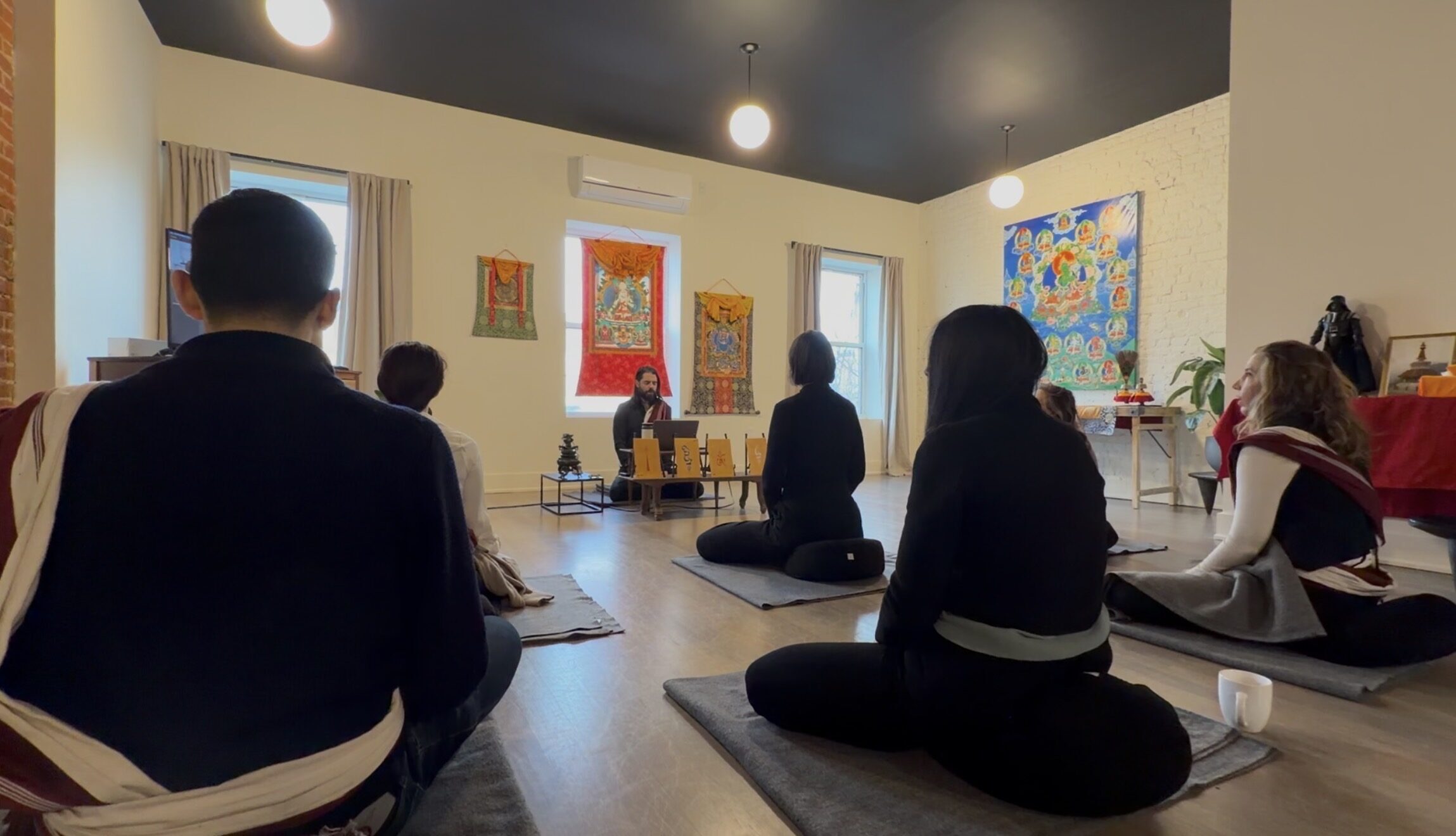
The sangha gathers in a quiet, dedicated shrine room — a space kept simple and clear so that the practice itself can come forward.
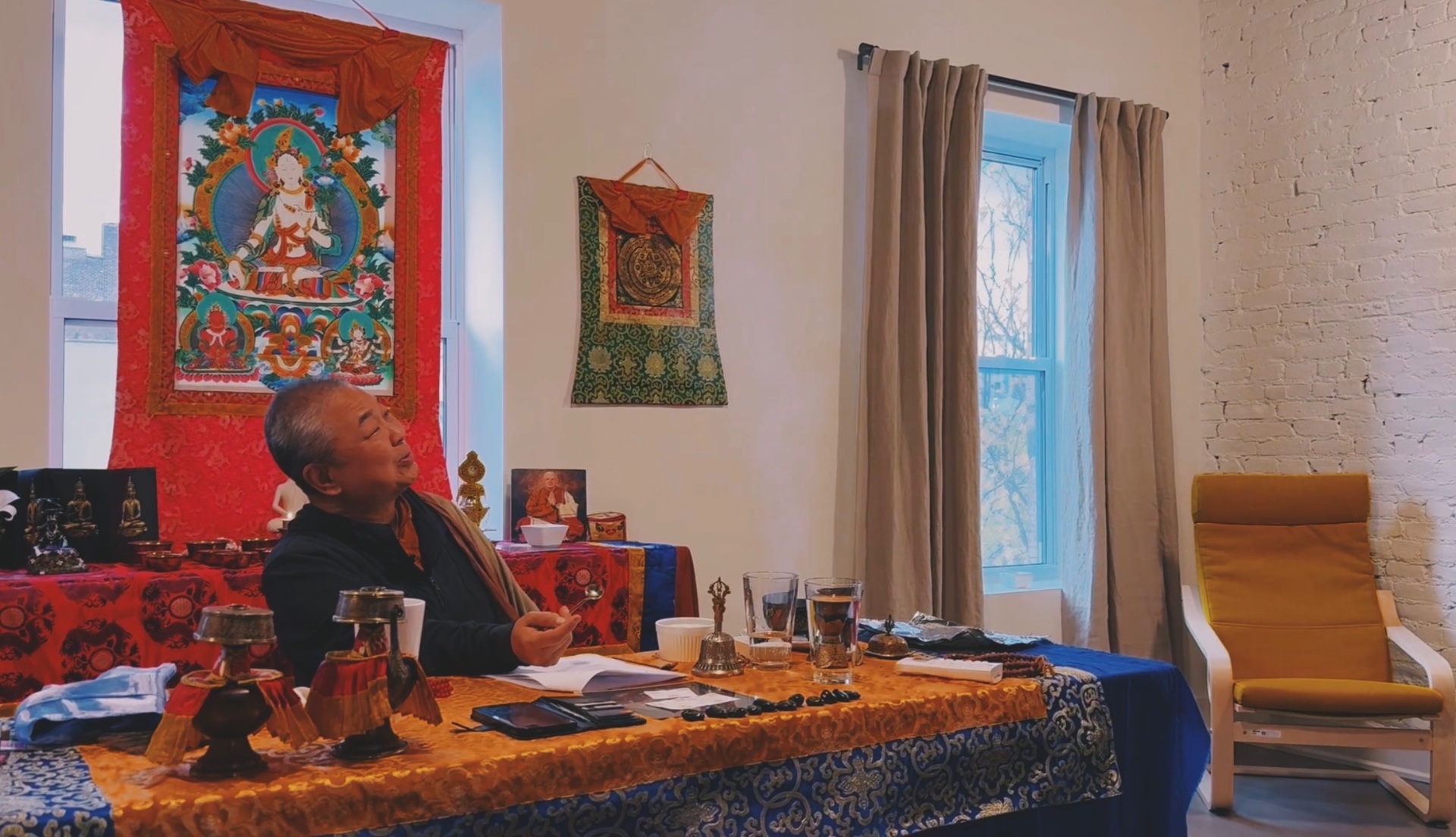
The altar holds images of the lineage, offerings, and the texts we read together. The room is open for group sessions, individual sitting practice, and the teaching meetings Drupon leads through the week. Cushions, texts, and tea are provided.
Visitors are welcome to come simply to sit.
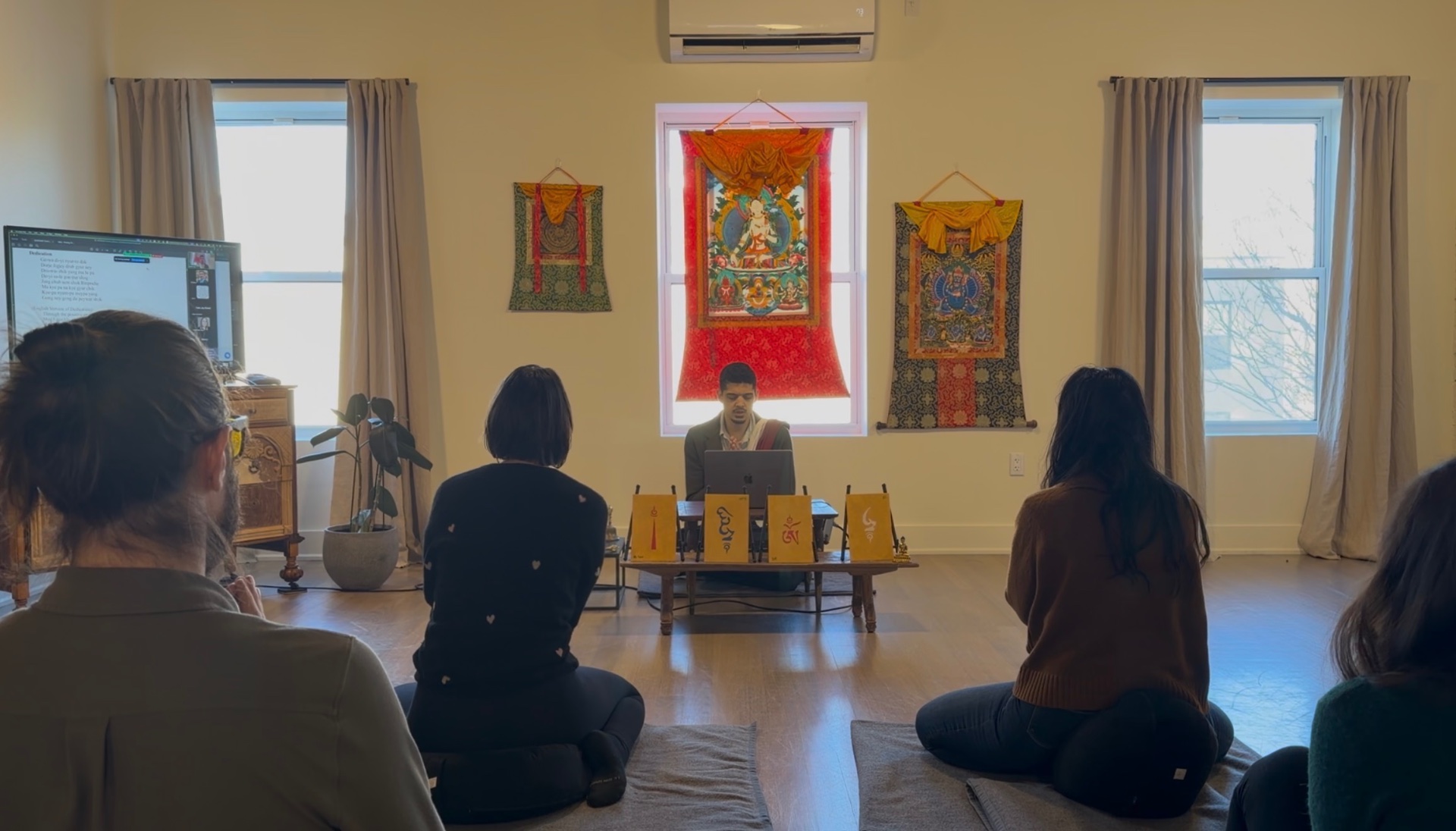

Matt Sherman serves as the lead administrator of the Black Tara Maitreya Sangha — the person who, in the day-to-day, keeps the doors open and the schedule running. A long-time student of Drupon's, he holds the practical work of the community: coordinating sessions, welcoming newcomers, organizing retreats, and stewarding the relationships that hold the sangha together.
Matt came to the dharma through a years-long practice of meditation and study, and stayed because of what he found in the lineage. He brings to the role a quiet steadiness, a gift for hospitality, and a belief that the sangha is something a community makes for itself — by showing up, by holding the space, by passing the teachings forward.
If you are new to the sangha or curious about how to begin, Matt is the first person to write to. He is glad to hear from you, and will help you find your way in.


These are the three core daily and ongoing practices the sangha holds together under Drupon Chongwol-la's guidance. Each is taken up with formal instruction and is open to students of the sangha.

Yamantaka, "Destroyer of Death," is a wrathful meditational deity associated with Manjushri, the bodhisattva of wisdom. The practice uses fierce imagery to cut through ego-clinging, fear, and the illusion of mortality.
Daily sadhana includes visualization of the deity, mantra recitation, and dedication of merit. As a Highest Yoga Tantra practice, it is undertaken with formal empowerment and guidance from a qualified teacher.

The 21 Taras are emanations of Arya Tara, the female bodhisattva of swift, compassionate action — each form addressing a specific fear or obstacle.
Practice includes a traditional sadhana recited daily, paired with visualization and mantra. Practitioners turn to Tara for protection, healing, and the removal of inner and outer obstacles.

The Heart Sutra is the most concise teaching on emptiness in the Mahayana tradition, distilling the perfection of wisdom into a single short text.
Daily recitation cultivates direct insight into the empty, interdependent nature of all phenomena — that "form is emptiness, emptiness is form." It serves both as devotional liturgy and as a pointer to the heart of the Buddha's wisdom teachings.
For two years, the Black Tara Center has partnered with Exodus to bring meditation resources and classes to members of the Harlem community in the process of re-entering the community after a period of incarceration.
This collaboration has worked to deliver tools for healing and liberation directly to justice-impacted individuals — meeting people where they are and offering practices that support genuine transformation from the inside out.


"The mind that wants to wake up is already the mind that is awake. We are not building anything new — only learning to recognize what has always been here."Drupon Chongwol Na Tso Dorje
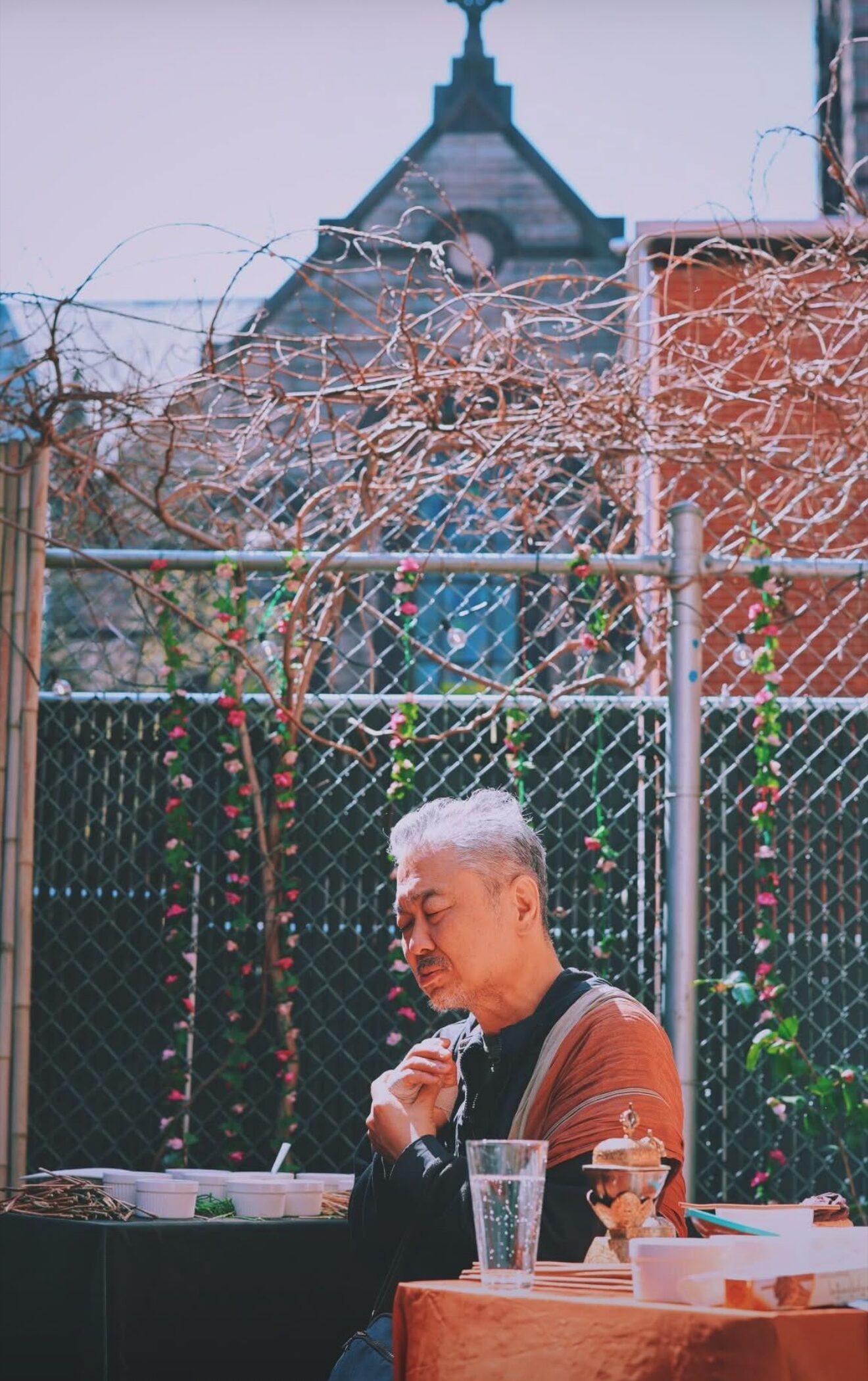
Fire pujas in the courtyard, sittings in the shrine room, and the slow weave of community life in Harlem.


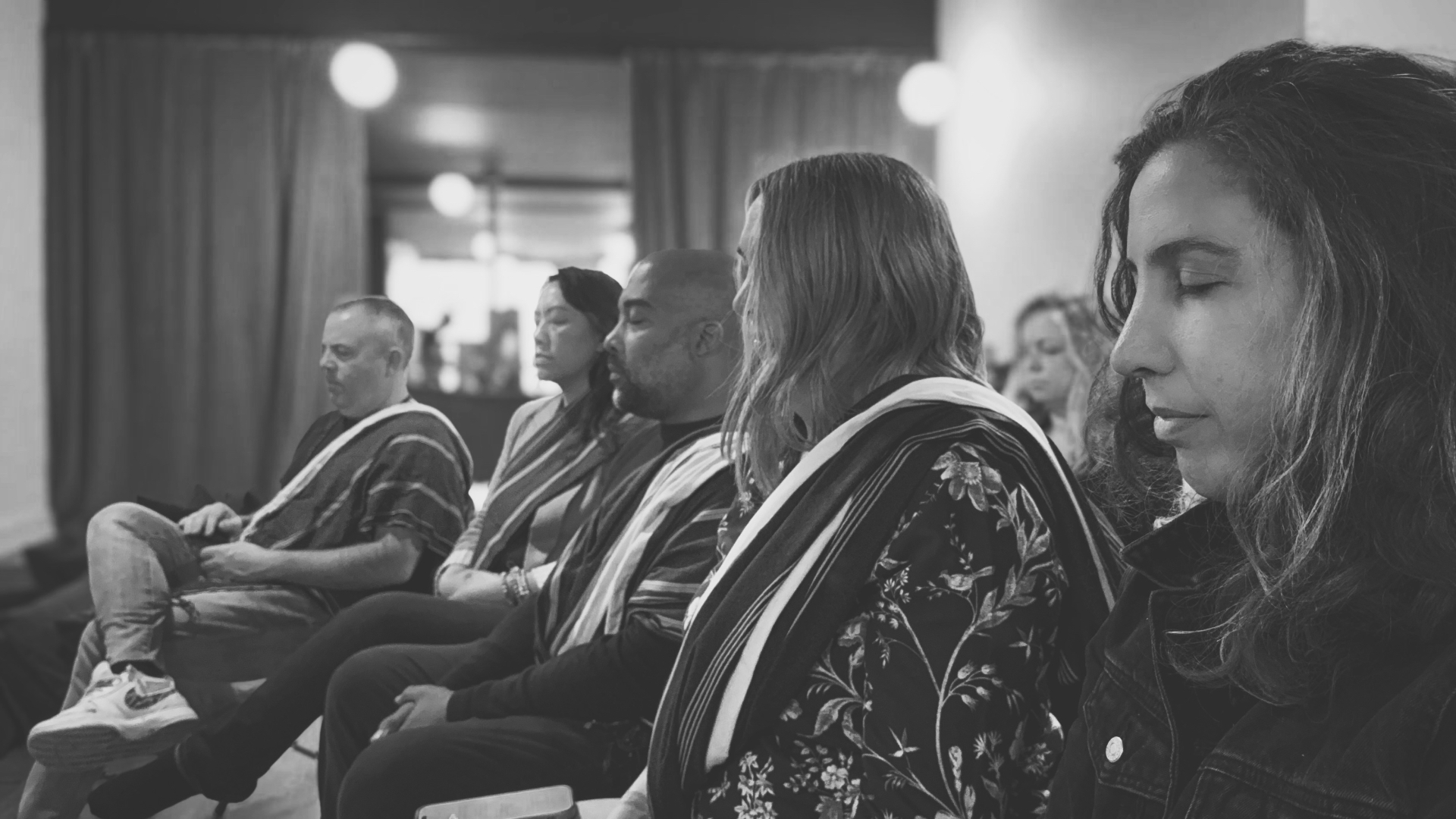


The sangha is gathered in Harlem, New York — a neighborhood whose long history of community-making is part of the texture of how we practice. The shrine room is a short walk from the subway, and our doors are open to anyone who would like to sit.
We hold weekly practice, monthly teachings with Drupon, and seasonal retreats. Sunday morning meditation is the simplest place to begin.
Newcomers are welcome at any of our regular sessions. There is no fee to attend, and no prior experience is needed. We ask only that you arrive a few minutes early on your first visit so we can greet you.
Returning students may sign up for retreats, request a practice interview, or arrange to take refuge in the lineage.
The sangha is sustained by the generosity of its members. Dana offerings support the teacher, the space, and the work.